Giclée printing has become the benchmark for fine art reproduction and archival photographic output, trusted by artists, collectors, galleries, and museums around the world. Its development is rooted in the intersection of photography, digital imaging, and printmaking - fields that have advanced rapidly over the past three decades. As specialists with long-standing expertise in the craft, Klein Editions continues to refine and elevate the process, ensuring every print meets the highest professional standards.
Origins of the Giclée Process
The term giclée emerged in the early 1990s, when digital inkjet technology first became capable of producing fine art–quality output. Coined by printmaker Jack Duganne, the word derives from the French gicler—“to spray”—and described a new method of creating prints without traditional plates or screens. Unlike earlier mechanical reproduction techniques, giclée printing offered artists a non-invasive way to reproduce original artwork with exceptional fidelity.
Early adopters included photographers, painters, and illustrators seeking a reliable, colour-accurate alternative to lithography and C-type printing. Technology evolved rapidly, and by the late 1990s leading museums and institutions began recognising giclée as a legitimate archival output.
Technological Advances and Modern Standards
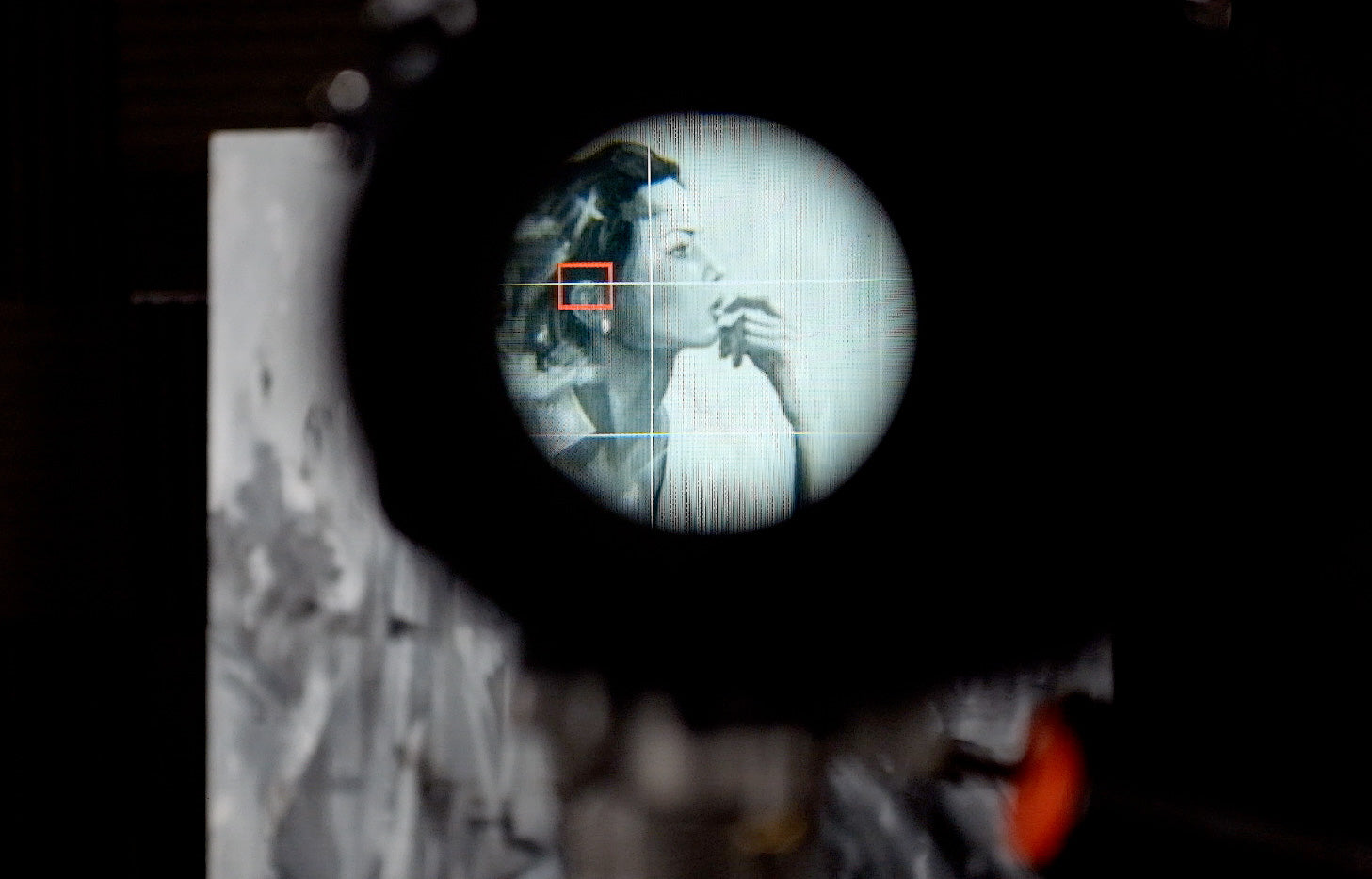
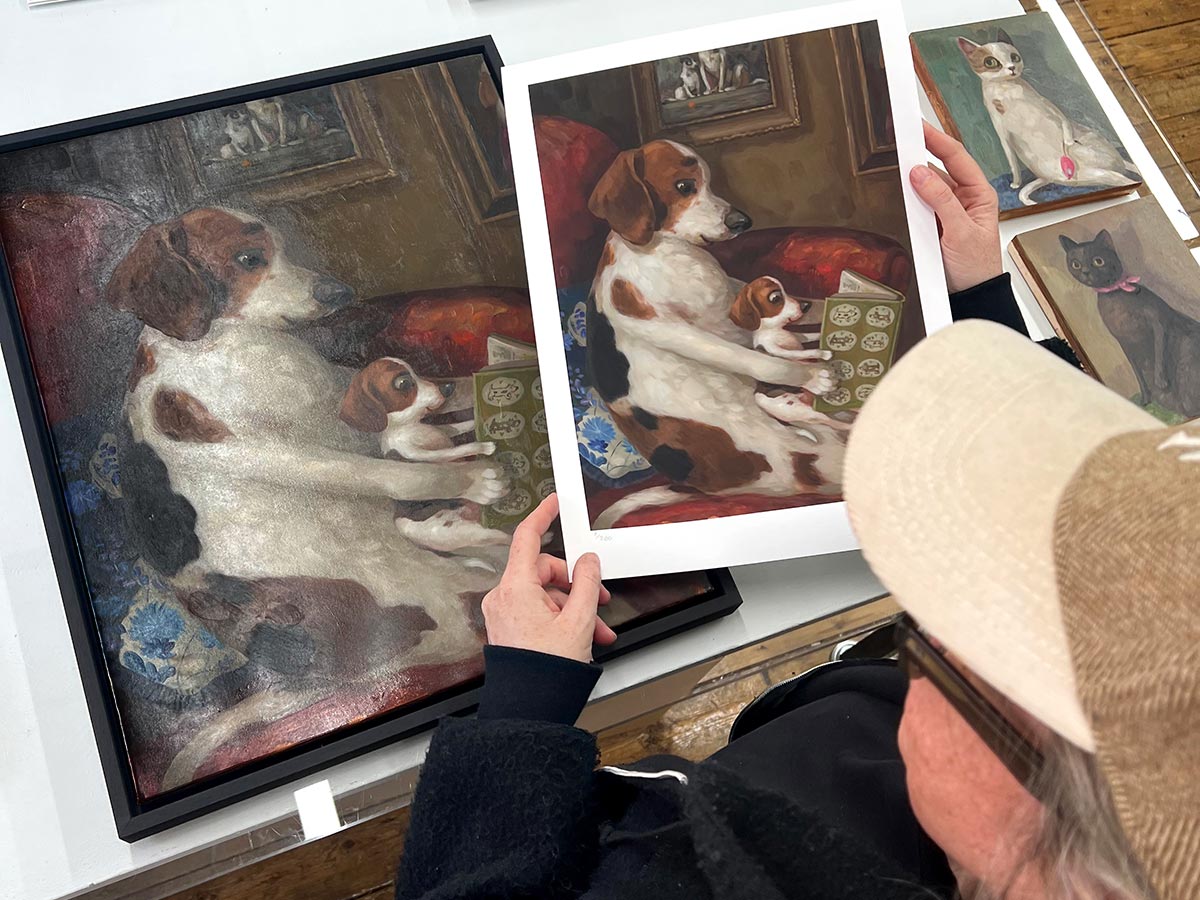
Today’s giclée prints are the result of highly sophisticated digital workflows. Artwork is captured through ultra-high-resolution photography or scanning, ensuring that every brushstroke, texture, and tonal transition is accurately recorded. At Klein Editions, our studio uses museum-grade imaging equipment calibrated to maintain absolute colour consistency.

Modern wide-format printers - such as our 12-colour Canon systems - have transformed both what is possible, and what our customers expect of their prints. Our machines use micro-pigmented, UV-stable inks capable of producing extraordinarily rich colour, smooth gradients, deep blacks, and precise detail reproduction. Combined with archival fine art papers from the world’s leading mills, the result is a print with exceptional longevity, typically rated for decades under proper display conditions.
What Defines a True Giclée Print
Although the term is now widely (and sometimes incorrectly!) used, a genuine giclée must meet several criteria:
- Archival pigment-based inks, not dyes
- Acid-free, museum-quality papers or canvas, with neutral pH
- High-resolution digital files, professionally captured and colour-managed
- Wide-gamut output, printed on specialist equipment
Klein Editions adheres strictly to these standards. As a Hahnemühle Platinum Certified Studio, our workflow is independently audited and recognised for excellence in colour management, consistency, and print permanence.

Benefits for Artists, Photographers, and Collectors
One of the great advantages of the giclée process is the ability to print on demand. Artists can produce limited editions or single prints without the financial risks associated with traditional mass-production techniques. Once captured and archived, a digital master file can be reproduced with perfect consistency at any time.
Other benefits include:
- Flexible sizing, allowing prints to be created at various scales
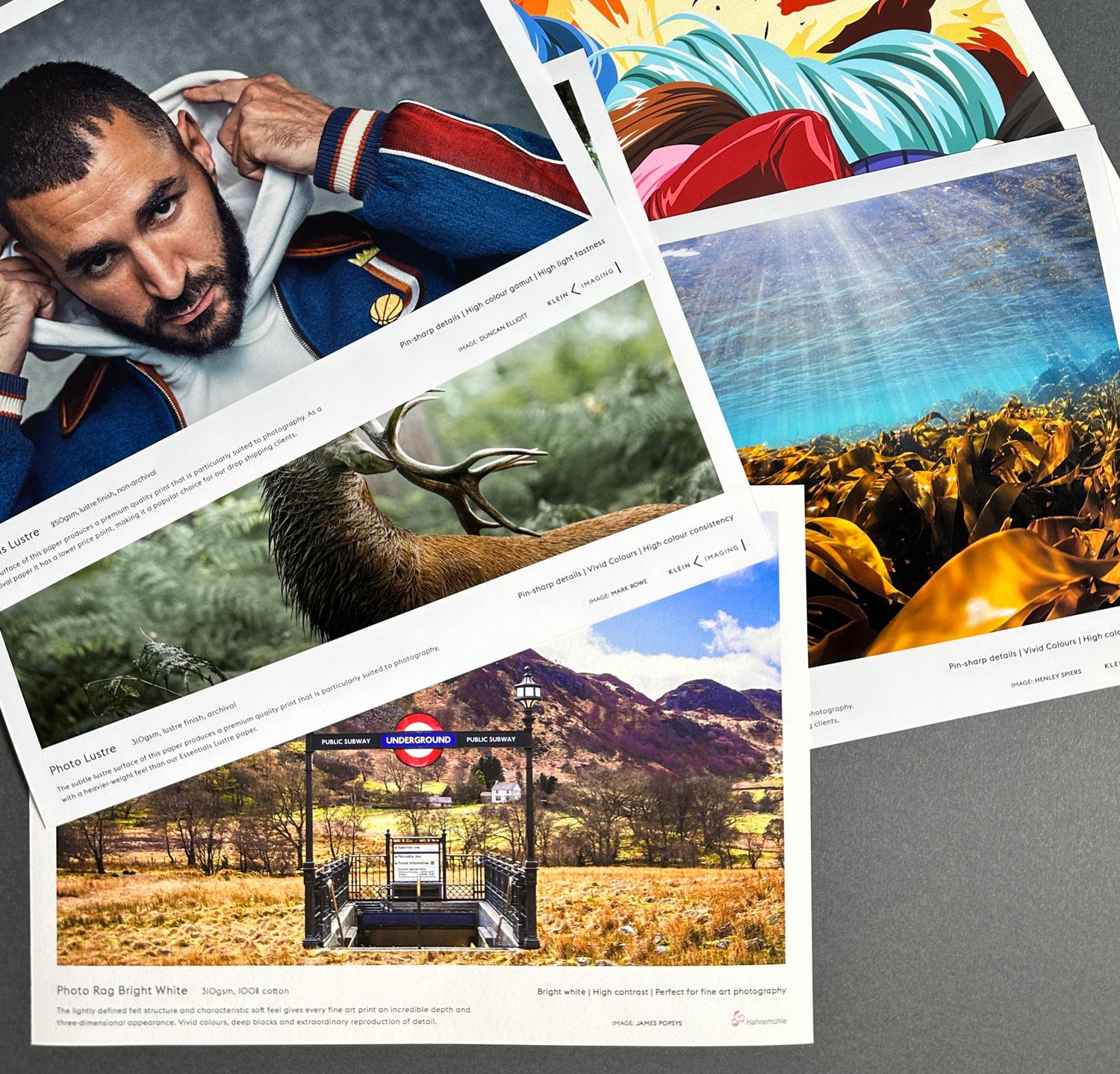
- Choice of substrates, from cotton rag papers to textured media and canvas
- Exceptional accuracy, preserving subtle tonal shifts, grain, and surface detail
- No degradation, unlike film, negatives, or analogue processes
This combination of flexibility, longevity, and quality has helped giclée printing become the preferred method of reproduction for professionals worldwide.

Institutional Recognition
Giclée prints are now widely collected, catalogued, and exhibited. They appear in major institutions including the Tate galleries, the Met in New York, and numerous contemporary art museums. Photographers and artists working in the medium have achieved significant auction results, reinforcing the legitimacy and value of giclée editions.
Environmental Considerations
Compared with many traditional printmaking processes, giclée is relatively clean: pigment inks are water-based, and fine art papers are produced to high environmental standards - this is particularly true of Hahnemühle's Natural Line of papers, which have been engineered to minimise their environmental impact. While giclée prints should be treated like any other fine artwork - kept away from direct sunlight and displayed behind UV-protective glazing - they are inherently stable and designed for long-term preservation.

Klein Editions: Continuing the Craft
With over a decade of experience producing exhibition-quality giclée prints, Klein Editions has built a reputation for technical precision, colour expertise, and uncompromising quality. Our team combines state-of-the-art equipment with meticulous colour management and fine art photography, ensuring that every print meets the expectations of professional artists, galleries, and collectors.
As we transition to the future of giclée production and continue to embrace new technologies, we remain committed to the principles that have shaped the evolution of giclée printing craftsmanship, accuracy, and preservation. Our aim is simple: to produce the finest giclée prints in the UK, worthy of the artwork they represent.